
Introduction With the Independence Day holiday just around the corner, many homeowners are considering home…
How Inflation Impacts Mortgage Rates in 2026 — And Why the U.S.-Iran Conflict Matters
How Inflation Impacts Mortgage Rates in 2026 — And Why the U.S.-Iran Conflict Matters
If you’ve been watching mortgage rates in 2026 and wondering why they seem to jump every time the world gets a little crazier, you’re not imagining it.
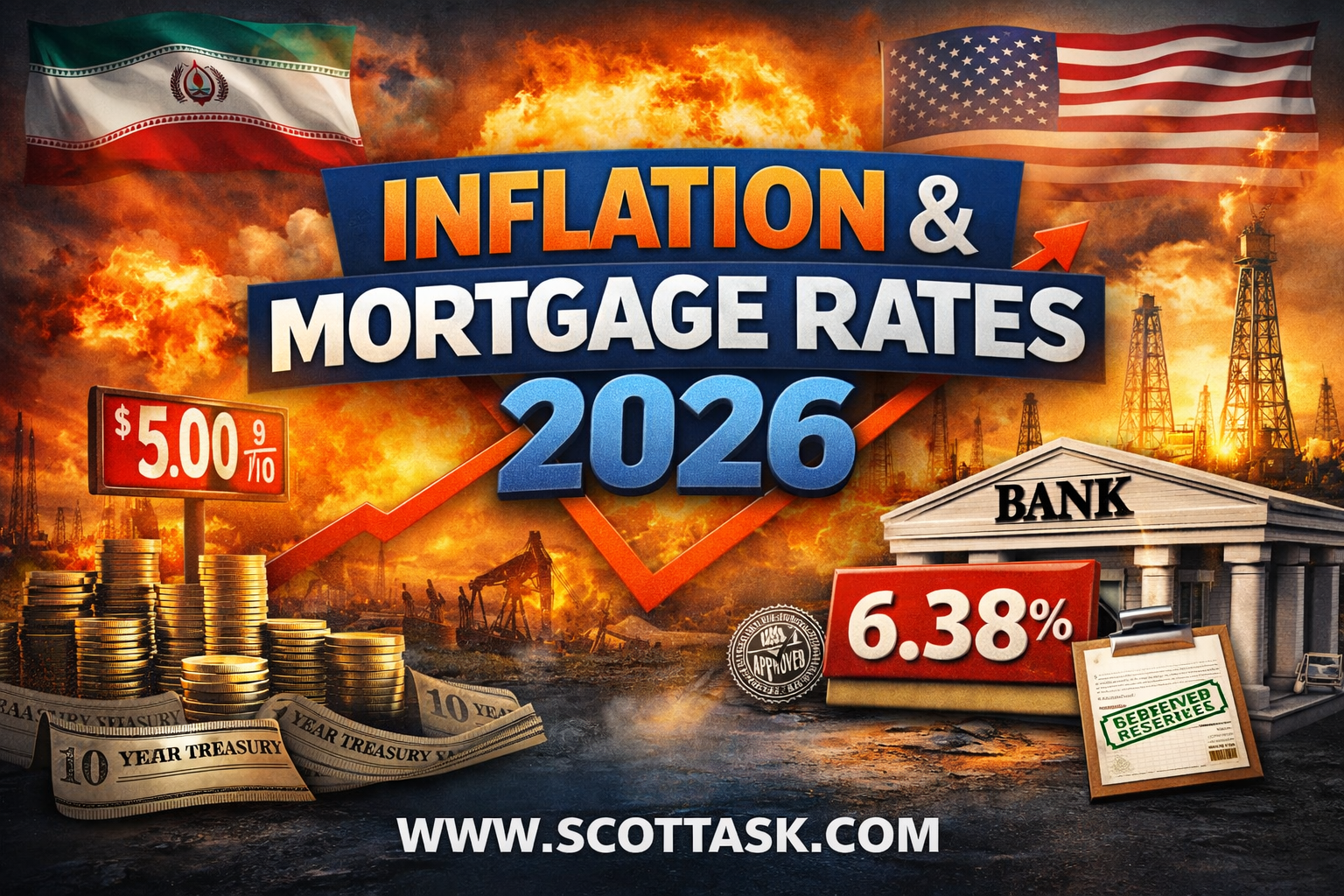
A lot of homeowners think mortgage rates move only when the Federal Reserve makes headlines. That is part of the story, but it is not the whole story. Inflation has a huge impact on mortgage rates, and right now the conflict involving the U.S. and Iran is adding fresh pressure to both inflation and the bond market. Reuters reported this week that the average 30-year mortgage rate climbed to 6.38%, a six-month high, as war-related inflation fears and higher oil prices pushed Treasury yields up.
For homeowners in Whatcom County and Skagit County, that matters whether you are thinking about refinancing, buying your next home, or just trying to decide whether to wait things out.
Inflation and Mortgage Rates: The Simple Version
Here is the easiest way to think about it.
When inflation stays hot, investors want a better return on the money they lend. That pushes bond yields higher. Mortgage rates tend to follow the direction of the 10-year Treasury yield, not the Fed funds rate directly. Reuters noted this week that the 10-year Treasury yield moved sharply higher after the conflict began, helping drive mortgage rates up with it.
So even though many people say, “I’m waiting for the Fed to cut rates,” mortgage rates can still rise if inflation fears are getting worse.
That is exactly what we are seeing now.
Why the U.S.-Iran Conflict Is Affecting Mortgage Rates
At first glance, a conflict in the Middle East and your mortgage in Bellingham or Mount Vernon may seem unrelated.
Unfortunately, they are connected.
Reuters reported that the current war has contributed to a major rise in oil prices, with traders and policymakers increasingly worried that higher energy costs could keep inflation elevated. Fed officials including Lisa Cook, Michael Barr, and Philip Jefferson all warned this week that the war has shifted risks more toward inflation, especially if energy prices stay high.
And when oil rises, it tends to ripple through the economy:
- Gas gets more expensive
- Shipping costs rise
- Business costs go up
- Consumer prices stay sticky
- Inflation expectations worsen
That makes bond investors nervous, and mortgage rates often pay the price.
So while the headlines may be about missiles, oil routes, and geopolitics, the effect can show up pretty quickly in the form of a higher rate quote on a refinance.
What Is Happening With Mortgage Rates Right Now?
As of March 26, 2026, Freddie Mac reported:
- 30-year fixed: 6.38%
- 15-year fixed: 5.75%
That move higher happened fast. Reuters reported that just before the conflict escalated, the 30-year fixed rate had dipped under 6%, then rose over multiple straight weeks as inflation worries, oil prices, and Treasury yields moved up. Mortgage applications also fell, including both refinance and purchase activity.
That does not mean rates will only go up from here. Reuters polling still showed many economists expecting the Fed to cut later in 2026, even though markets have recently dialed back those expectations.
What it does mean is this:
Mortgage rates are being driven by more than just the usual Fed narrative right now.
Why This Matters for Homeowners in Whatcom and Skagit County
Here locally, plenty of homeowners are still carrying mortgages from the higher-rate environment of the last couple years.
If that is you, this is where strategy matters.
You do not want to make the mistake of assuming:
- all lenders have the same pricing, or
- waiting automatically guarantees a better deal later.
In a market like this, small moves matter. If inflation cools, rates could improve. If energy prices stay high and inflation sticks around, rates could remain elevated or even move higher. Fed officials have been explicit that higher energy costs could worsen the inflation outlook.
That is why I think 2026 is less about trying to be a rate fortune teller and more about being smart, prepared, and comparing the right options.
Mortgage Broker vs. Retail Lender: Why It Matters Even More in a Volatile Market
This is where the conversation gets really important.
When rates are moving around and affordability is under pressure, pricing matters even more.
A lot of homeowners go straight to:
- their bank
- their credit union
- the lender that did their last loan
That is easy, but it does not always mean it is the best deal.
A mortgage broker has access to wholesale pricing through multiple lenders. That means more ability to compare rates, fees, and structures instead of being stuck with one retail rate sheet.
And in a market where inflation fears can move rates quickly, that spread matters.
The difference between a wholesale quote and a retail quote may not sound huge on paper, but over time it absolutely can be.
Especially on larger loan sizes that are common in Bellingham, Ferndale, Lynden, Burlington, Mount Vernon, and surrounding areas, a better rate or lower fee structure can have a real impact.
So Should You Refinance Right Now?
That depends on your goals.
A refinance might make sense if:
- your current rate is still much higher than today’s market
- you want to remove mortgage insurance
- you want to consolidate higher-interest debt carefully
- you want to shorten your term
- you want to improve monthly cash flow
A refinance may not make sense if:
- your rate is already competitive
- closing costs outweigh the benefit
- you plan to sell soon
- you are making a decision based only on headlines instead of real numbers
The right answer is not always “yes,” but it is almost always worth checking.
Final Thought
Inflation is one of the biggest drivers of mortgage rates, and right now the U.S.-Iran conflict is adding fuel to that fire through higher oil prices, higher Treasury yields, and renewed concern that inflation may stay elevated longer than hoped. Reuters and Freddie Mac data this week both point to the same reality: mortgage rates have moved meaningfully higher as those pressures built.
That does not mean you should panic.
It does mean you should be smart.
If you have an existing mortgage and want to know whether there is a better option out there, the smartest move is to get a quick wholesale quote before working with any other lender.
Start at www.scottask.com and let’s compare the numbers.
A fast review could save you real money, and at minimum, you will know exactly where you stand.
FAQ Section
How does inflation impact mortgage rates?
Inflation usually pushes mortgage rates higher because investors demand better returns when the purchasing power of money is falling. Mortgage rates often move with Treasury yields, which rise when inflation concerns grow.
Is the Federal Reserve the main reason mortgage rates move?
Not directly. The Fed matters, but mortgage rates are more closely tied to the bond market, especially the 10-year Treasury yield. Reuters reported that Treasury yields rose during the current conflict, helping move mortgage rates higher.
Why does the U.S.-Iran conflict affect home loan rates?
The conflict has pushed oil prices higher and increased inflation concerns. Higher inflation tends to push Treasury yields and mortgage rates up. Fed officials said this week that the war has shifted risks more toward inflation.
What is the average 30-year mortgage rate right now?
Freddie Mac reported that the average 30-year fixed mortgage rate was 6.38% on March 26, 2026.
Should I wait to refinance until rates come down?
Maybe, but waiting does not guarantee a better deal. In volatile markets, it often makes sense to compare current options now and then keep monitoring. A good refinance strategy is about math, not guesswork.
Why compare a mortgage broker to a retail lender?
A mortgage broker can compare wholesale pricing across multiple lenders, while retail lenders usually offer only their own pricing. In a market with tighter affordability, that comparison can matter a lot.

Related Posts